For local manufacturers, the search for Arizona manufacturing 3PL warehousing reflects a growing need for experienced partners that understand the unique flow of manufacturing inventory, which looks very different from a standard retail or e-commerce fulfillment operation.
How Manufacturing Inventory Actually Moves
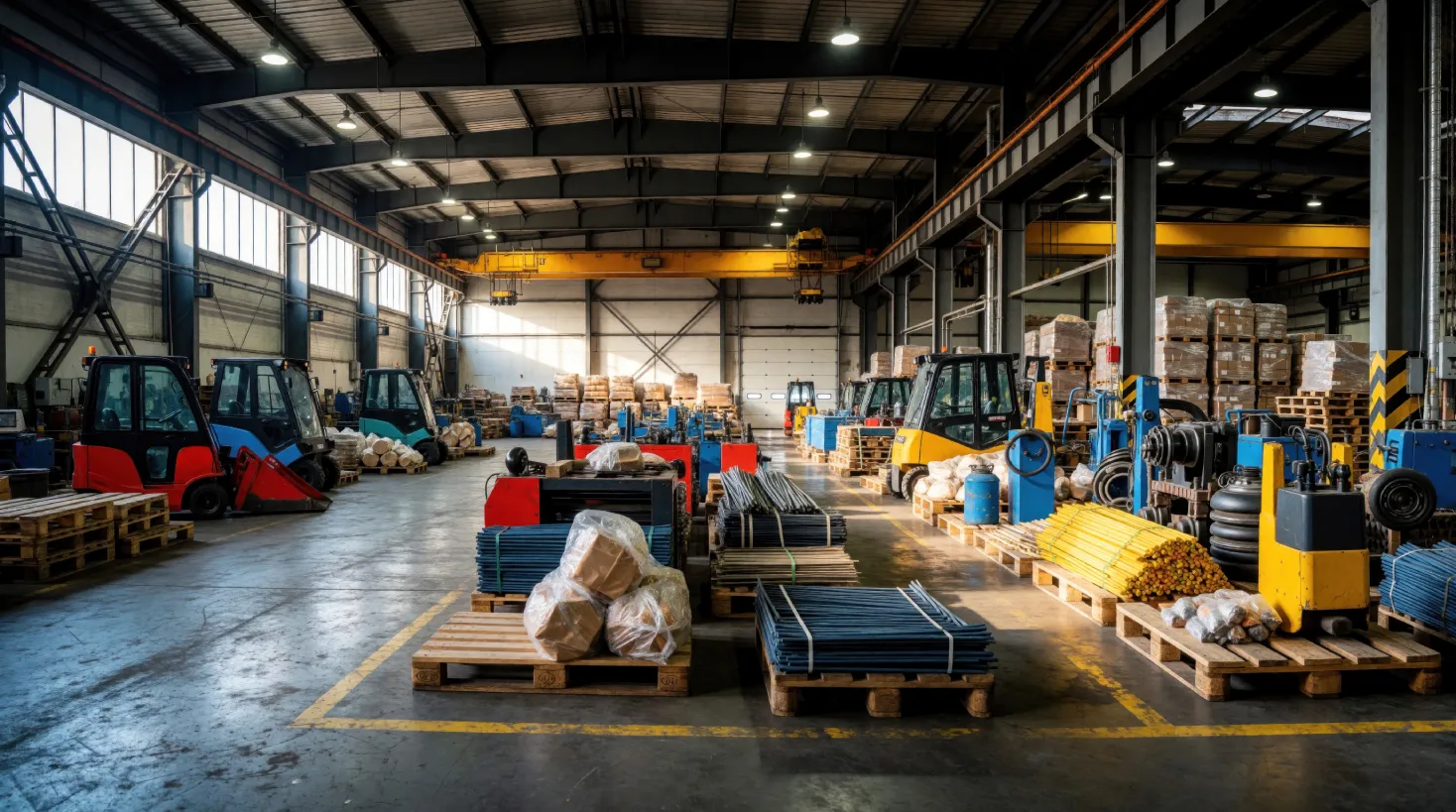
Manufacturers typically manage several distinct categories of inventory at once: raw materials arriving from suppliers, components and work-in-process inventory, finished goods ready for shipment, packaging materials, replacement parts, product returns, and direct customer deliveries. Each category has different handling needs, different storage requirements, and different timing pressures tied to production schedules rather than simple order volume.
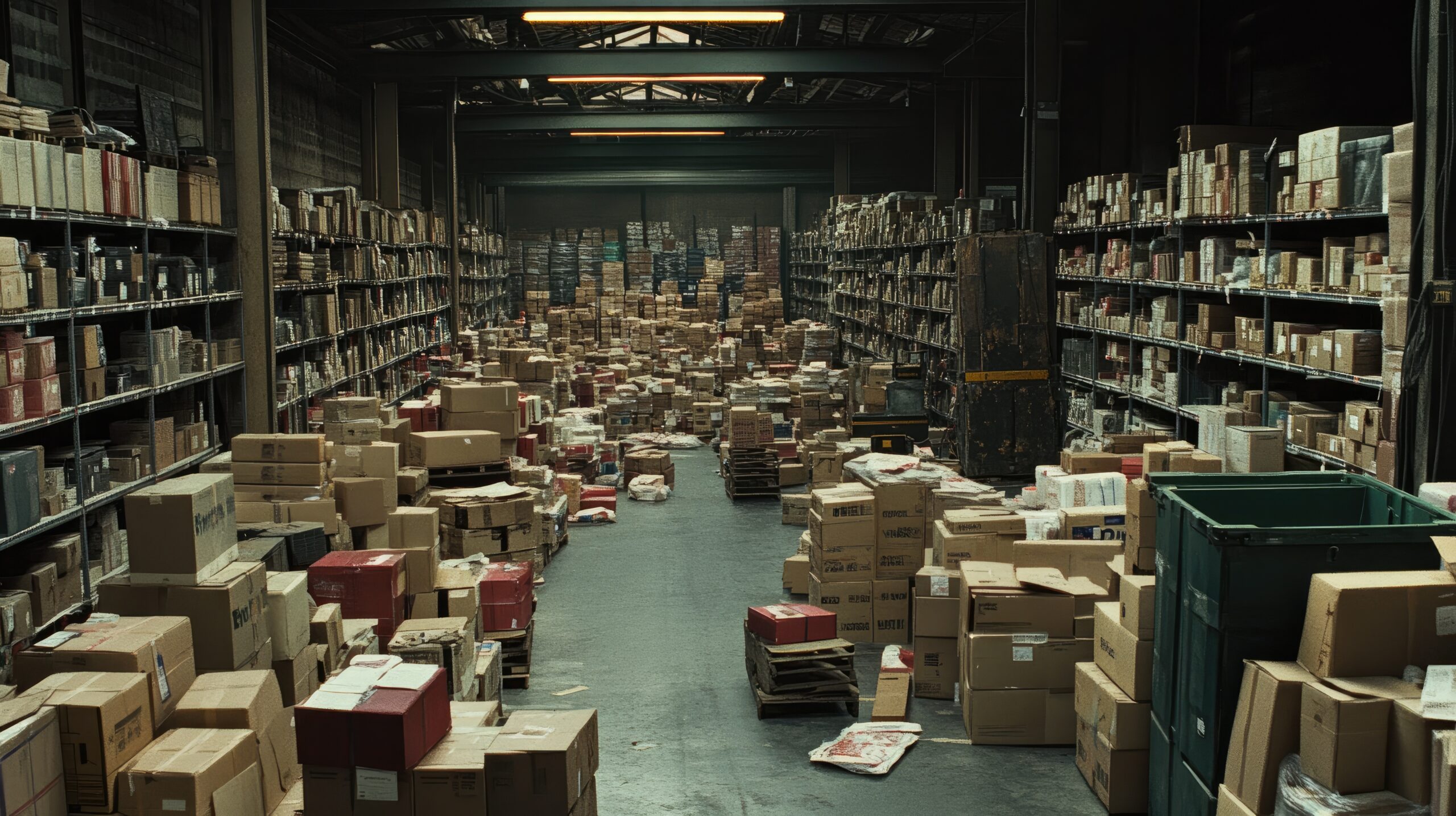
That complexity is exactly why a generic warehouse isn’t always the right fit. A manufacturer’s logistics operation has to support production schedules, supplier delivery windows, customer expectations, and inventory accuracy simultaneously, and a 3PL partner needs real experience with that kind of coordination, not just experience storing boxes.
What to Look For in an Arizona Manufacturing 3PL Partner
When selecting an Arizona manufacturing 3PL warehousing partner, a few specific capabilities separate a genuinely useful partner from one that simply offers square footage:
- A strategic location. A warehouse located near major highways, manufacturing sites, suppliers, or customers helps reduce delivery time, local transportation costs, and the operational delays that come from a poorly positioned facility.
- Flexible storage solutions. Manufacturing inventory may require pallet racking, floor storage, secure storage, oversized-item accommodations, bulk storage, or temperature-controlled space, sometimes several of these within the same account.
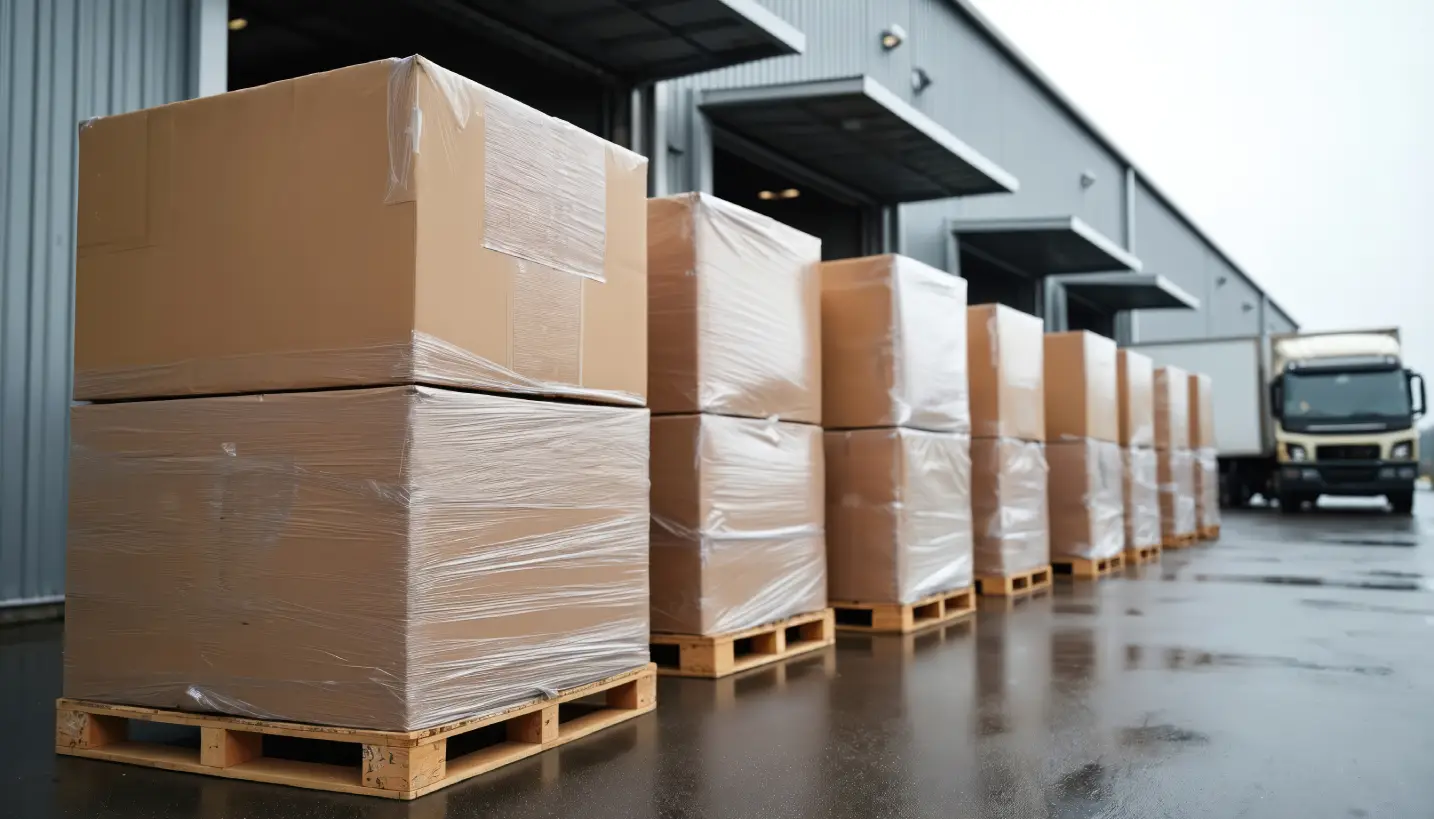
- Reliable inbound and outbound processes. The right provider should be able to receive freight, schedule appointments, document inventory, inspect shipments, and support outbound distribution based on production timing or direct customer needs, not a fixed schedule that ignores how manufacturing actually runs.
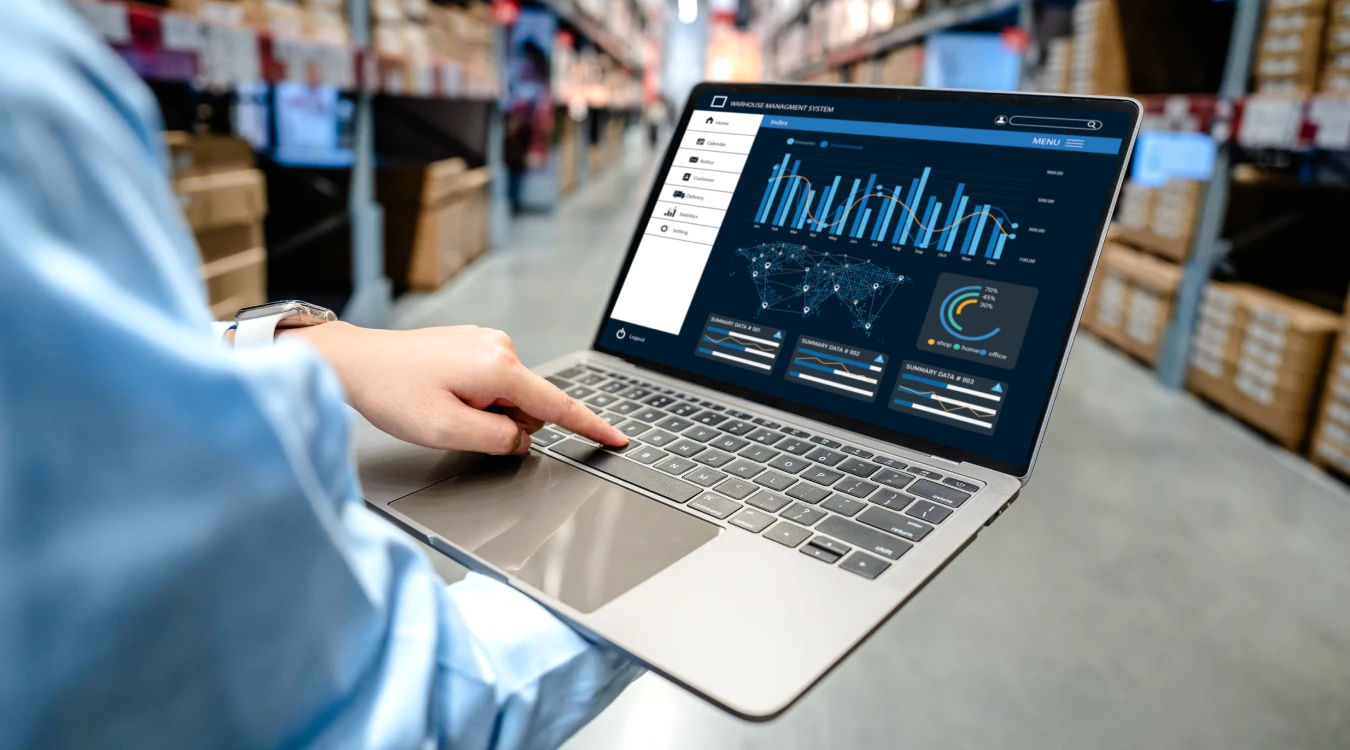
- Inventory visibility. Real-time or consistent reporting on on-hand inventory, movement, order status, damages, and product locations helps manufacturers make better production and purchasing decisions, rather than reacting to inventory surprises after the fact.
- Value-added services. Services such as kitting, labeling, repackaging, light assembly, palletizing, relabeling, and returns management help manufacturers save time and keep their own teams focused on core production work instead of logistics tasks that a partner can absorb.
- Transportation support. A 3PL should be able to coordinate truckload, less-than-truckload, expedited, and specialized freight needs as the business grows, rather than requiring a separate transportation provider once volume increases.
- Transparent pricing. Manufacturers should understand all storage, receiving, handling, pick-and-pack, special-project, and transportation-management charges before moving inventory, since manufacturing accounts often involve more variable activity than a standard fulfillment contract accounts for.
Why the West Valley Specifically Matters for Manufacturers
The West Valley has become one of Arizona’s most active regions for manufacturing, distribution, and logistics development. Communities such as Avondale, Goodyear, Tolleson, Glendale, Buckeye, and Surprise continue to attract manufacturers and create real demand for warehouse capacity and transportation services in the surrounding area.
For manufacturers serving Arizona, the broader Southwest, or national markets, the West Valley offers a genuine logistics advantage: strong connections to major transportation routes, a growing skilled workforce, active industrial development, and a regional customer base that continues to expand. Positioning warehousing and transportation support within this ecosystem, rather than in a more remote or less connected location, has a real, ongoing impact on delivery times and transportation costs.
Cosic Transportation and Logistics is based in the West Valley and works within this growing manufacturing and logistics corridor, helping manufacturers think strategically about warehousing, transportation, inventory management, and logistics planning as part of the same conversation, not as separate decisions.
Questions Manufacturers Should Ask a Prospective 3PL
Before committing inventory to a new logistics partner, manufacturers should get clear, specific answers to:
- What types of manufacturing clients and industries do you currently support?
- What storage options and handling capabilities are available for our specific materials and finished goods?
- How do you coordinate inbound receiving around production schedules rather than a fixed appointment calendar?
- What reporting and inventory-visibility tools will our team actually have access to?
- Which transportation services can you coordinate as our shipping needs change or grow?
- Who will be our primary day-to-day contact for production-driven issues that need a fast response?
A successful 3PL relationship for a manufacturer starts with a partner who genuinely understands how production-driven inventory differs from standard retail fulfillment, and who has the specific capabilities to support it.
Built for the Way Manufacturers Actually Operate
Manufacturing logistics isn’t the same problem as e-commerce fulfillment, and it shouldn’t be handled with the same generic warehousing approach. Cosic Transportation and Logistics works with West Valley manufacturers to build warehousing and transportation support around actual production flow, supplier timing, and customer delivery requirements.
Looking for a 3PL partner that understands manufacturing inventory?
Contact Cosic Transportation and Logistics to discuss your production schedule, storage needs, and transportation requirements, and find out how a warehousing partnership built around your specific operation can support your next stage of growth.
 Call:
 Email: