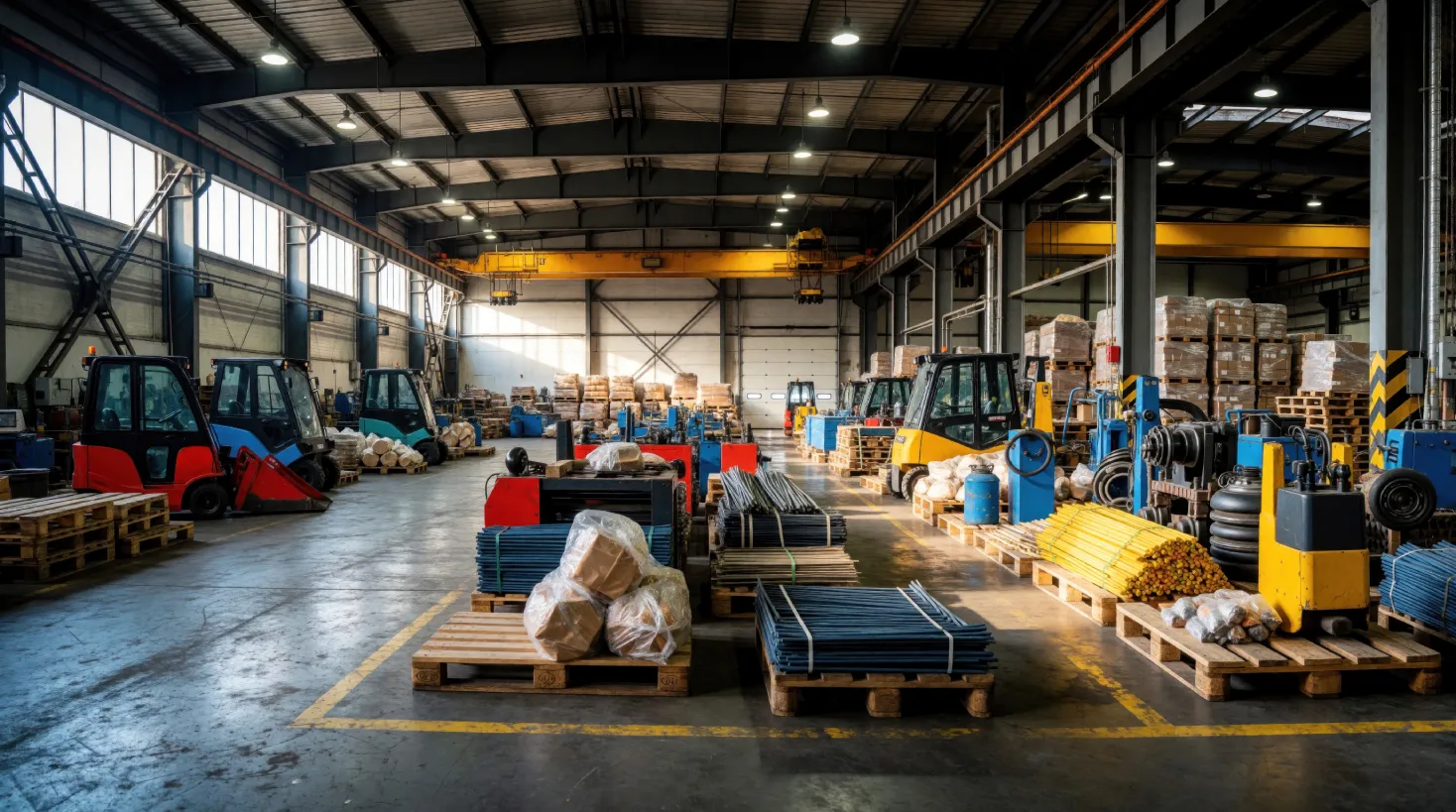
Arizona manufacturers, distributors, and growing businesses can reduce logistics costs, improve inventory control, and scale more efficiently by partnering with the right third-party logistics provider. As the West Valley continues to grow, businesses need flexible warehousing, dependable transportation, specialized storage, and operational support that keeps products moving safely and cost-effectively.
Cosic Transportation and Logistics is helping meet that need by providing logistics solutions designed for businesses navigating growth, changing inventory demands, and increasingly complex supply chains.
The Real Cost of Logistics Goes Beyond the Freight Bill
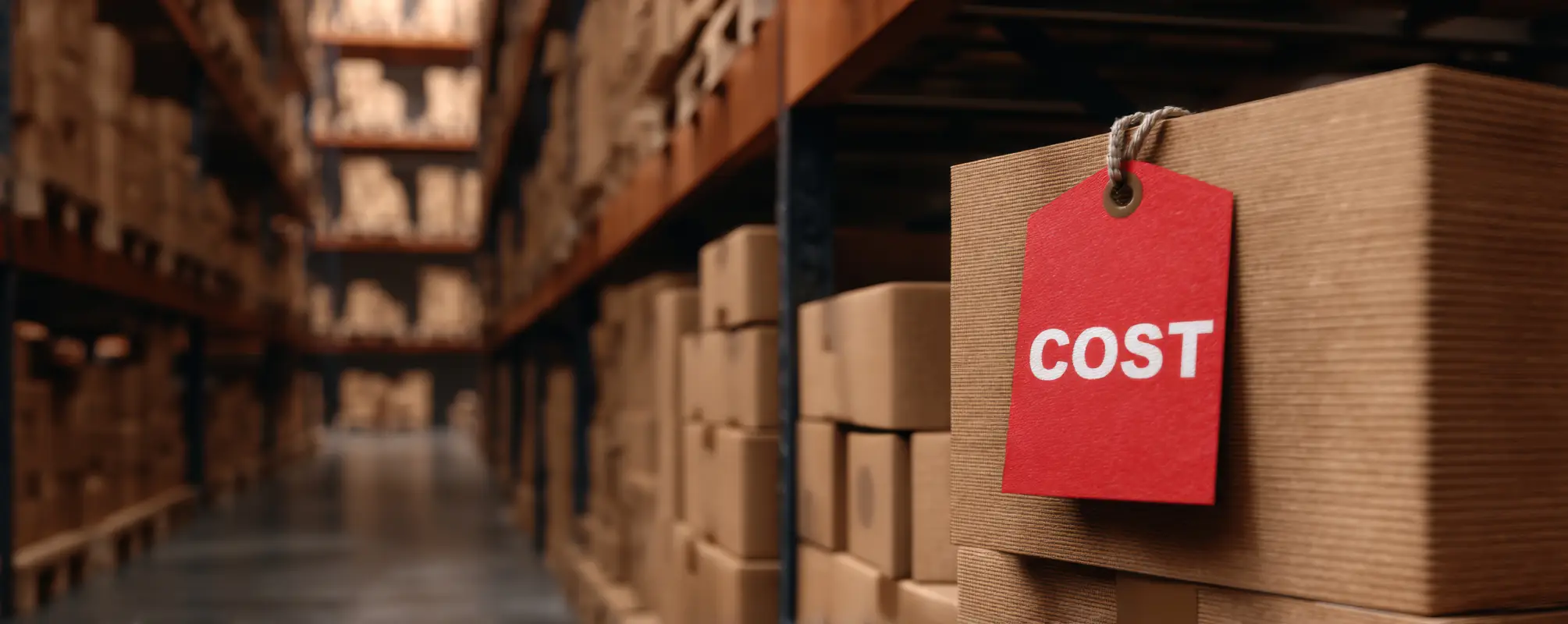
When businesses think about logistics costs, the freight invoice is usually the first number that comes to mind, but it’s rarely the whole picture. A full accounting of logistics spend includes warehouse rent, labor, technology, equipment, insurance, inventory handling, packaging, compliance, transportation coordination, and the quiet cost of carrying unused warehouse space that isn’t generating any return.
A third-party logistics provider, or 3PL, manages one or more areas of a company’s supply chain. This can include warehousing, inventory management, transportation coordination, fulfillment, cross-docking, freight consolidation, storage, and value-added services. For many Arizona businesses, partnering with a 3PL provides access to professional logistics infrastructure without taking on the full cost of operating an in-house warehouse and transportation department.
Cosic Transportation and Logistics helps companies explore a more flexible logistics model, one that supports current needs while leaving room for future growth.
How a 3PL Can Help Reduce Logistics Costs
A strong 3PL partner does more than provide warehouse space. It helps businesses improve efficiency across the entire supply chain, and the savings usually show up in more places than a single line item:
- Shared warehousing capacity. Businesses use the amount of space they actually need without committing to an entire building or paying for underutilized square footage that sits empty most of the year.
- Reduced labor expenses. Recruiting, training, managing, and retaining warehouse employees is a real, ongoing cost. A 3PL provides operational support and an experienced logistics team without the overhead of building that team internally.
- Transportation coordination. Consolidating shipments and working with established carrier relationships can reduce freight expenses and improve delivery planning in ways an individual shipper often can’t negotiate alone.
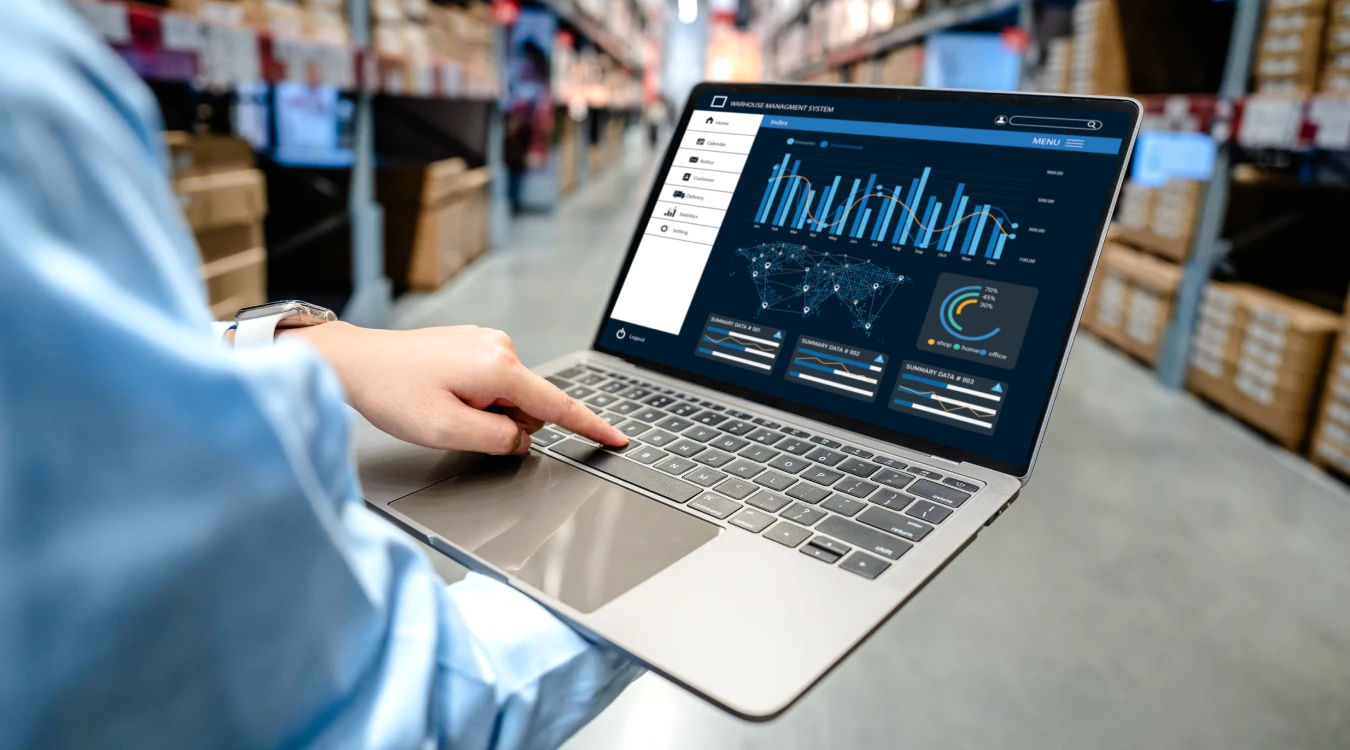
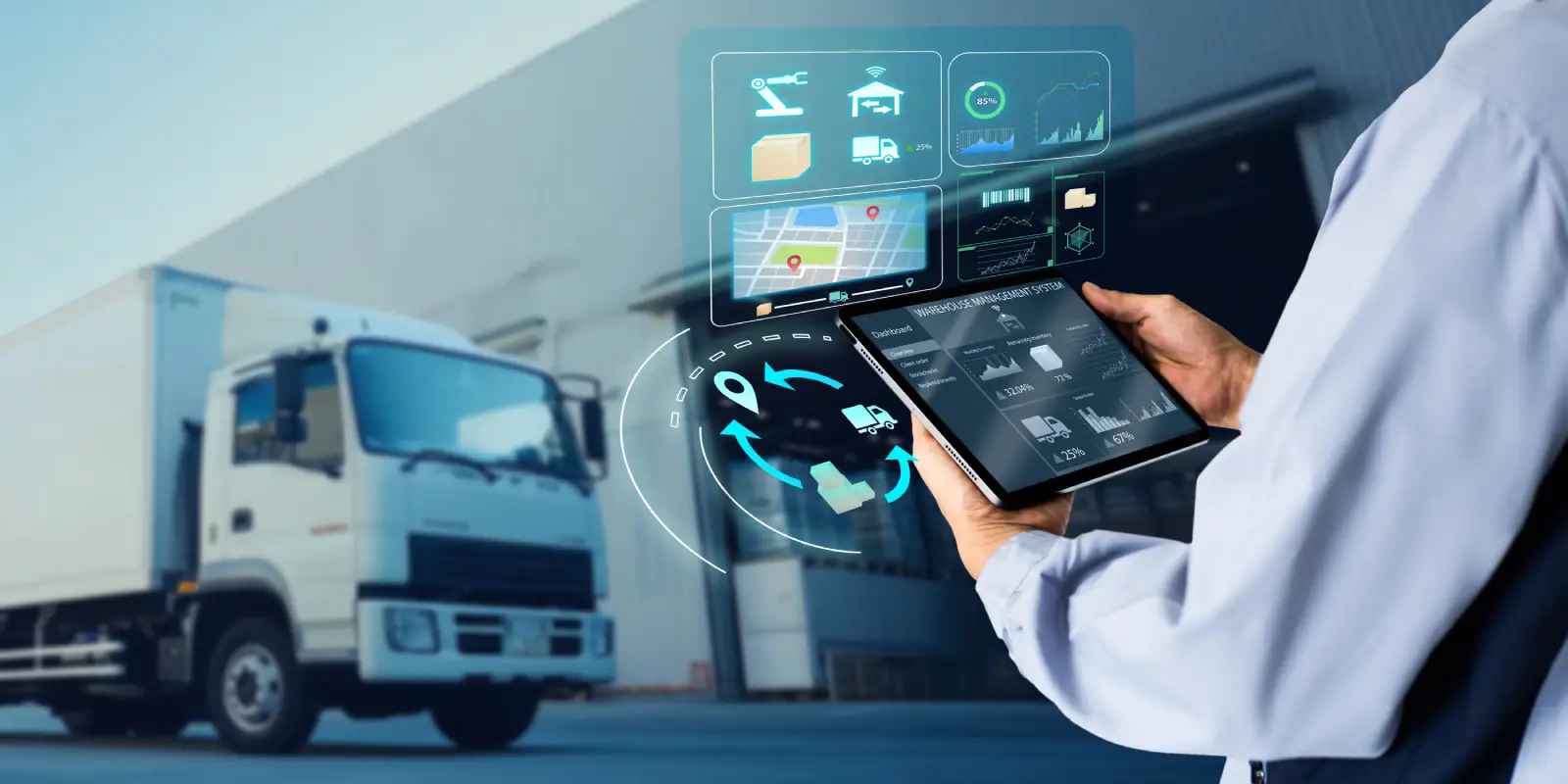
- Access to logistics technology. Warehouse-management systems, barcode scanning, inventory reporting, order tracking, and shipment visibility are expensive to build internally. A logistics partner provides these operational tools as part of the relationship, not as a separate capital project.
- Lower capital investment. Outsourcing warehousing reduces the need to purchase racking, forklifts, dock equipment, safety infrastructure, software, and other expensive assets that depreciate whether they’re fully utilized or not.
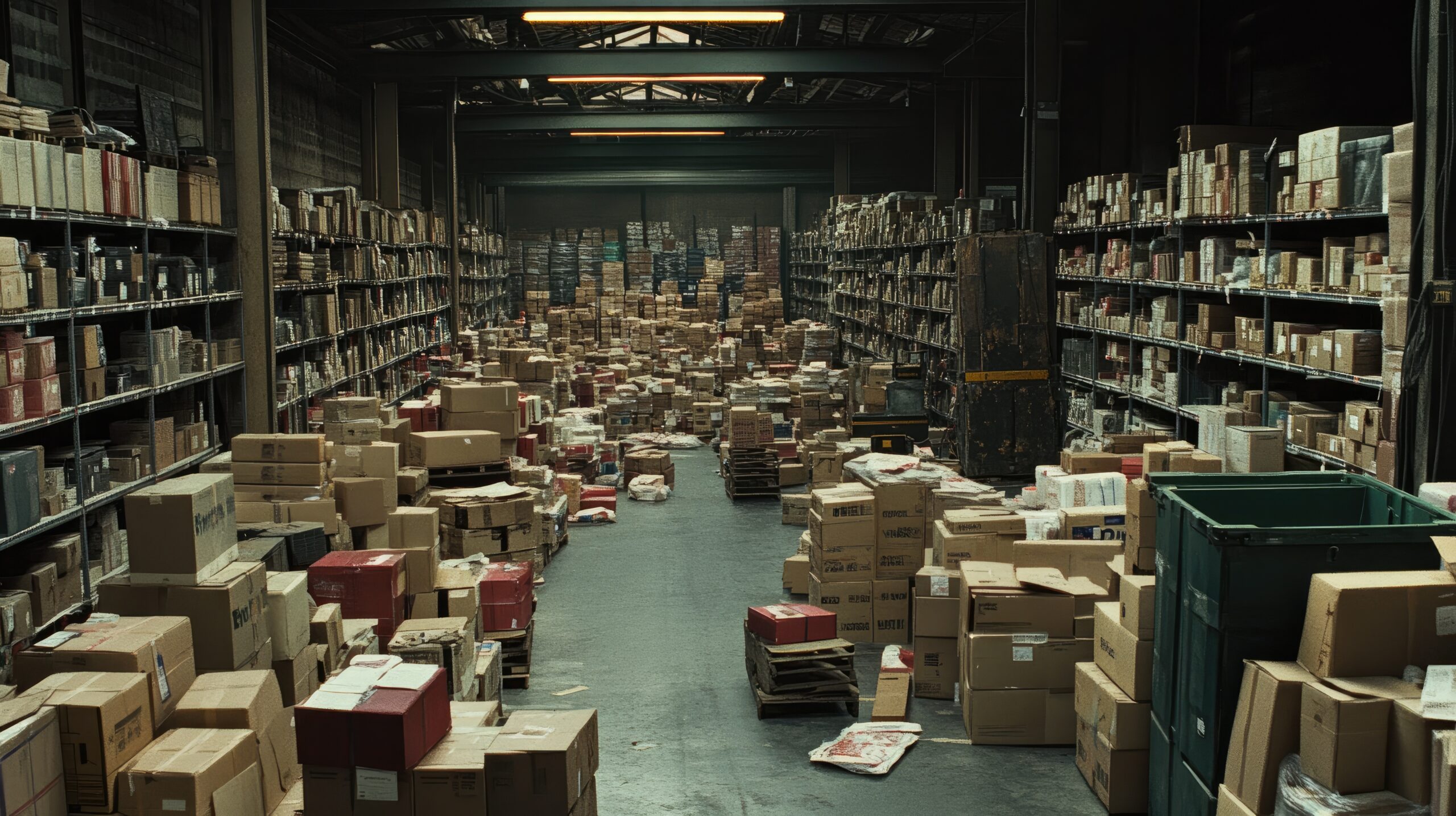
- Improved inventory control. Better receiving, storage, cycle counts, order fulfillment, and reporting help reduce inventory errors, product loss, stockouts, and the costly expedited shipments that often follow when inventory visibility breaks down.
- Scalable support. Businesses can adjust warehousing and logistics needs as demand changes, instead of locking in permanent investments based on temporary growth or a single strong season.
The goal isn’t simply to find the lowest storage rate. The goal is a logistics strategy that lowers total operating costs while improving service, visibility, safety, and customer satisfaction, since a cheaper rate that comes with slower fulfillment or inaccurate inventory data often costs more in the long run than it saves upfront.
Evaluating a 3PL Partner on Cost, Not Just Price
Total cost and quoted price aren’t the same thing, which is why it’s worth asking specific questions before signing an agreement:
- What are the complete costs for storage, handling, receiving, transportation, and special projects, including any fees that aren’t obvious in a standard quote?
- How do you manage receiving, inventory accuracy, cycle counts, damaged products, and returns, since errors here translate directly into cost?
- What reporting and inventory-visibility tools are available, and what do they cost beyond the base storage rate?
- How do you manage growth, seasonal volume, and changing customer requirements without requiring a renegotiated contract every time volume shifts?
A 3PL provider that answers these clearly, with specifics rather than general reassurance, is usually the one that ends up being the better long-term value, even if the initial quote isn’t the lowest on the table.
Why Location Factors Into the Cost Equation
The West Valley’s growth as a logistics and manufacturing hub isn’t incidental to the cost conversation. A warehouse positioned near major highways and a growing regional workforce reduces local transportation costs and delivery times in ways that a lower storage rate in a less connected location often can’t offset. Cosic Transportation and Logistics is based in the West Valley specifically because of this positioning, giving partner businesses a practical logistics footprint for serving Arizona, the Southwest, and national markets.
Conclusion
Reducing logistics costs starts with an honest look at where money is actually going, not just the freight line on an invoice. Cosic Transportation and Logistics works with Arizona manufacturers, distributors, and growing businesses to identify where a 3PL partnership can reduce total operating costs while improving service and inventory visibility.
Ready to see where your logistics spend could be reduced?
Contact Cosic Transportation and Logistics to discuss your current operations and explore a warehousing and transportation approach built around your actual volume, not a one-size-fits-all contract.
 Call:
 Email: