Hazmat storage requires specialized knowledge, facility capabilities, employee training, documentation, and safety procedures. Not every warehouse is equipped to store or handle hazardous materials, and businesses should confirm a provider’s capabilities before moving regulated products into any facility.
What Counts as a Hazardous Material
Hazardous materials may include products that are flammable, corrosive, toxic, reactive, combustible, pressurized, or otherwise regulated. Depending on the specific product, this may include batteries, aerosols, paints, adhesives, chemicals, cleaning supplies, lubricants, industrial products, and certain consumer goods that don’t always look “hazardous” on the surface. A sealed can of aerosol adhesive or a pallet of lithium batteries can carry real regulatory and safety requirements even though they’re common, everyday products in many industries.
This is part of why businesses shouldn’t assume a product falls outside hazmat rules just because it seems ordinary. Classification depends on the specific chemical composition, packaging, and quantity involved, not on general impressions of how dangerous something looks.
The Regulatory Layers Behind Hazmat Storage
Hazmat storage in Arizona sits under several overlapping regulatory frameworks, and a qualified provider should be conversant in all of them, not just one:
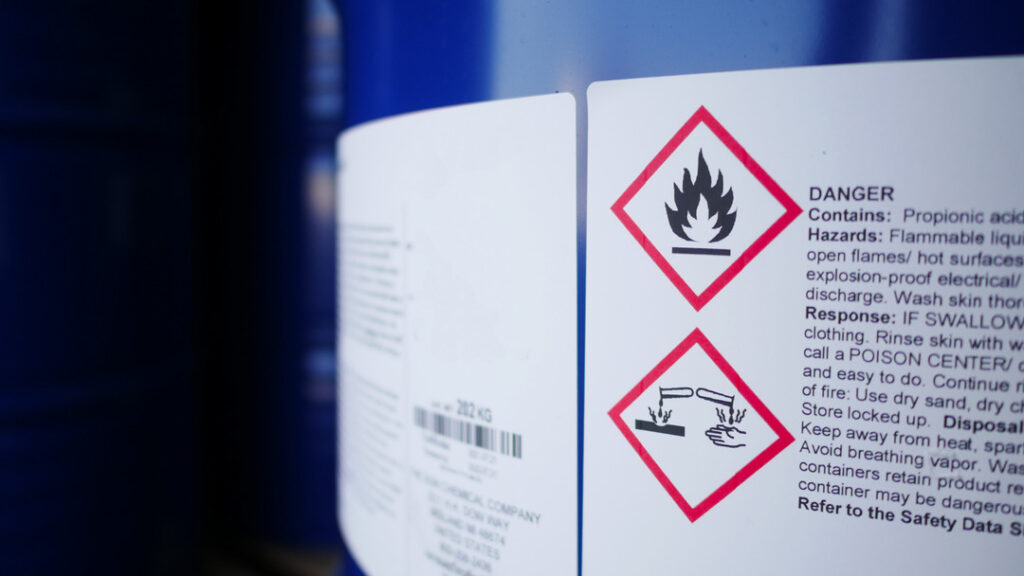
- OSHA’s Hazard Communication Standard governs how hazardous chemicals are classified, labeled, and documented in the workplace, including the requirement that Safety Data Sheets be available and accessible to employees handling regulated products.
- DOT hazardous materials regulations (49 CFR) govern how hazardous materials are packaged, labeled, and documented when they’re transported by road, which matters for any business moving regulated products in or out of a warehouse.
- Local fire codes typically require permits and specific storage arrangements once hazardous material quantities exceed certain thresholds, and requirements can vary by jurisdiction within Arizona.
- EPA regulations may apply depending on the specific materials involved, particularly around storage, spill prevention, and reporting for certain regulated substances.
None of this needs to be a business’s own area of expertise; that’s precisely the value a qualified logistics partner provides, but it’s worth understanding that hazmat storage isn’t a single rule to check off. It’s a set of overlapping requirements that a capable provider should already have built into their facility and procedures.
What a Qualified Hazmat Storage Partner Should Offer
When evaluating hazmat storage and warehousing in Arizona, businesses should look beyond simple warehouse availability and confirm that a provider has the systems and experience needed to protect people, products, and operations:
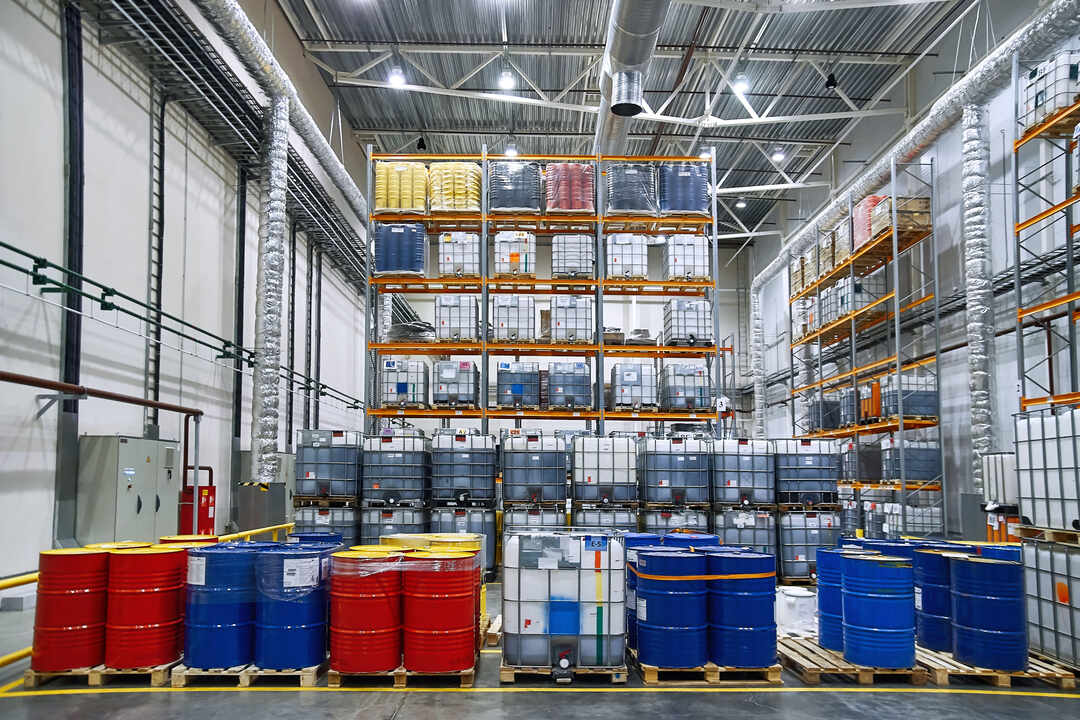
- Facility readiness. The warehouse should have the appropriate infrastructure, safety features, storage areas, containment systems, and fire-protection measures suited to the specific products it accepts, not a generic storage setup retrofitted after the fact.
- Trained personnel. Employees should understand safe handling practices, protective equipment, product identification, spill response, emergency procedures, and documentation requirements as a standard part of their role, not as occasional refresher training.
- Proper product segregation. Certain hazardous materials must be kept separate from incompatible products, since storing incompatible chemicals near each other can turn a minor spill into a much larger safety event. A capable provider understands these compatibility requirements and maintains storage layouts accordingly.
- Safety Data Sheet management. SDS documentation should be readily available and actively maintained for every hazardous material stored in the facility, not filed away and forgotten after the initial intake.
- Emergency-response planning. Businesses should ask directly how a provider prepares for spills, fires, leaks, severe weather, and evacuations, and how they communicate with local emergency responders when something does happen.
- Accurate labeling and recordkeeping. Proper product labels, inventory records, shipment documentation, and classifications support safety, compliance, and day-to-day operational efficiency alike.
- Transportation compliance support. If hazardous products are also being transported, the provider should understand applicable packaging, labeling, documentation, and carrier requirements for that specific product category.
Questions Worth Asking Before Storing Regulated Products
Before moving hazardous or regulated inventory into any facility, it’s worth getting direct answers to a few specific questions:
- Do you have experience with regulated or hazardous materials similar to ours, specifically?
- What safety, security, and emergency-response procedures are already in place at the facility?
- How are Safety Data Sheets maintained and made accessible?
- What segregation practices do you follow for incompatible materials?
- How is compliance documentation handled for both storage and transportation?
Businesses should always discuss the specific characteristics of their products with a logistics provider before storage or transportation begins. Compliance requirements depend on the materials involved, their quantity, how they’re packaged, and how they’ll ultimately be transported, so a generic answer about “handling hazmat” isn’t enough to confirm real readiness.
A Facility Built for the Products You Actually Store
Hazmat storage isn’t a service that can be casually added to a standard warehouse. It requires the right infrastructure, the right training, and the right documentation practices from the start. Cosic Transportation and Logistics works with West Valley businesses to understand the specific regulated products they need to store or move, and to confirm the right procedures are in place before those products ever arrive at the dock.
Storing or shipping regulated products?
Contact Cosic Transportation and Logistics to discuss your specific materials and confirm the facility capabilities, training, and documentation needed to handle them safely and in compliance with applicable regulations.
 Call:
 Email: